
Rosemary Officianalis Prostratus Patio Tree - Hardy Evergreen Plants with Weeping Foliage - Culinary Herb That Attracts Bees & Butterflies - Live Plant in Pot for Gardens & Patios (3L Pot, 50-80cm)

Price comparison

free shipping
go to shop

£ 39.99
free shipping
go to shop
Product description
- Creeping Rosemary (Rosmarinus officinalis 'Prostratus Group') is gorgeous when trained as a woody-stemmed patio tree. The key feature of this evergreen variety is its highly aromatic, needle-like foliage, which creates a weeping, cascading canopy from the top of a clear, woody stem. Throughout spring and summer, small clusters of delicate, pale blue flowers appear, which are a particular favourite of bees. Aside from the profuse, scented foliage, this unique structure provides year-round interest.
- The genus of this plant is Rosmarinus, though it has recently been reclassified into the larger Salvia genus. The parent species, Rosmarinus officinalis, is a classic aromatic herb native to the rocky, sun-drenched hillsides of the Mediterranean region. Famed for its intensely fragrant oils used in cooking and aromatherapy, this plant is valued as much for its scent and flavour as for its ornamental appearance.
- As a patio tree, the 'Prostratus' variety is particularly stunning, with its evergreen, needle-like leaves forming a weeping canopy that cascades gracefully downwards. Throughout spring and often again in late summer, this canopy is dotted with small clusters of delicate, pale blue flowers. These nectar-rich blooms are a powerful magnet for bees. This weeping display of scented foliage and flowers is held aloft on a single, clear, woody stem, creating a unique and elegant 'lollipop' shape.
- As a Mediterranean native, this plant requires the sunniest, most sheltered spot you have. For soil, exceptionally sharp drainage is more important than richness. In a container, use a gritty, open compost mix to prevent waterlogging. Water needs are seasonal: water regularly in summer, allowing the compost to dry between waterings. In winter, reduce watering dramatically, keeping the compost on the dry side to protect the roots from cold and rot.
- To maintain the neat, weeping shape of your Rosemary tree, a light annual prune is beneficial, but the method is very different from deciduous shrubs and it should never be cut back hard. The ideal time for this is immediately after its main flush of flowering has finished in late spring or early summer. The method involves simply trimming back the fresh, green shoots by a few inches to encourage bushiness and maintain the desired shape of the canopy. It is essential to avoid cutting back into the old, woody stems, as these may not regrow.
You might also be interested in these plants.

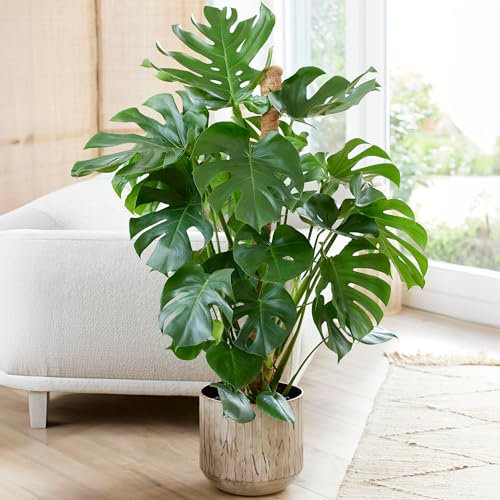
1 x Monstera Swiss Cheese Plant - Air-Purifying Houseplant (40-50cm Incl. Pot)
A STATEMENT HOUSEPLANT – Due to the plant’s impressive stature, it will be a statement piece to have in your home. Its eye-catching and standout qualities will make visitors and passers-by stop and admire.
£ 15.99
free shipping
To the product (4 offers)
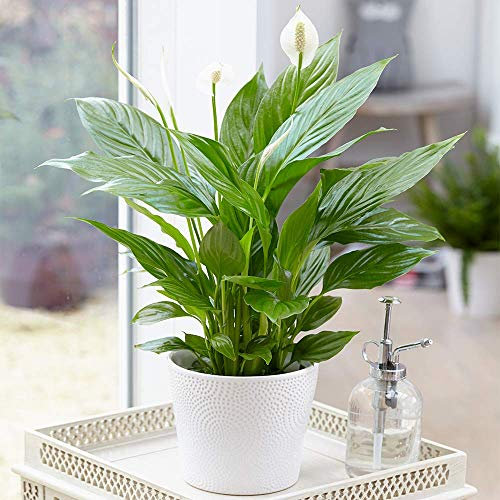
Spathiphyllum Peace Lily Indoor Plant - Air-Purifying Houseplant in Pot, Ideal for Home Office, Kitchen, Bedroom and Living Spaces, Offers Serene Beauty and Improved Air Quality (9cm Pot, 20-30cm)
AIR-PURIFYING WONDER: Stands out as a natural air purifier, removing indoor pollutants for healthier living spaces
£ 9.99
free shipping
To the product (3 offers)
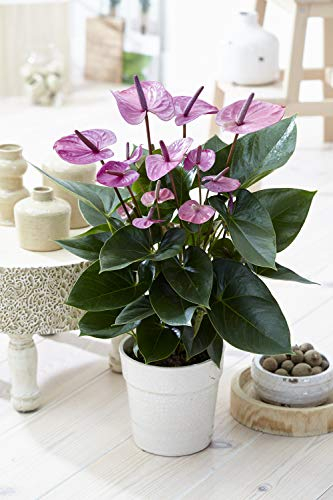
GardenersDream Purple Flamingo Anthurium Plant in Pot - Live Air Purifying Indoor Plants - Healthy Indoor House Plants for Desks and Shelves - Gifts for Plant Lovers (40-50 cm, incl. 13 cm Pot)
STRIKING VISUAL APPEAL: Our Purple Flamingo Anthurium is renowned for its vibrant dark green leaves, which surround the purple spathes and yellow flower spadices. These remain colourful for several months, providing brightness in your home. The striking appearance of this house plant makes any room more lively and inviting.
£ 21.99
free shipping
To the product (3 offers)
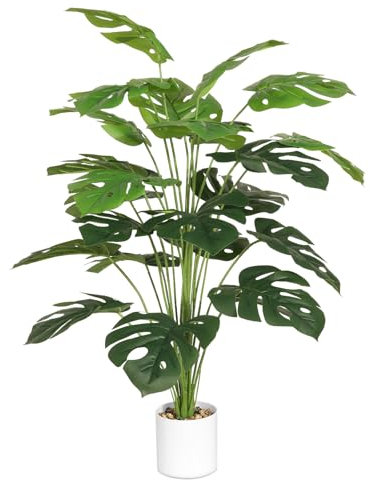
Tuocal 28" Artificial Plants, Fake Monstera in Pot Outdoor Indoor | 71cm Tall Faux Plant, with 24 Lifelike Leaves, for Home Garden Living Room Office Decoration
Tuocal
£ 18.99
free shipping
To the product (3 offers)
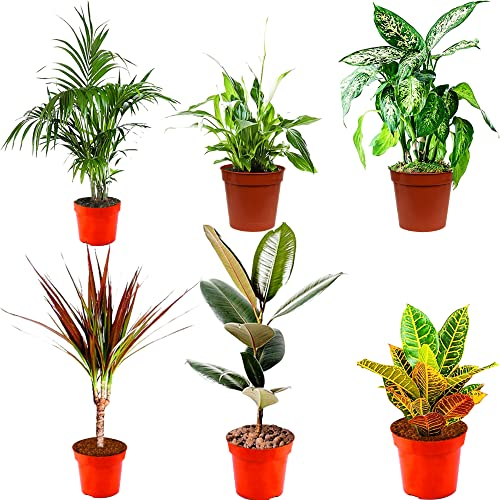
Indoor Plants Real, Mix of 6 House Plants in 12cm Pots, Real Plants to Grow in Your Office, Home, Bedroom, Kitchen and Living Room, Perfect for Clean Air, Delivered Next Day
Mix of 6 house plants – Transform your space with diverse greenery that complements any room, from the home office to the kitchen.
£ 24.99
free shipping
To the product (1 offer)
11% off

Der Rose Fake Plants Artificial Plants Tall 71cm Adjustable Faux Monstera Plants Indoor Outdoor for Home Bedroom Living Room Bathroom Decor
Der Rose
£ 16.99
free shipping
To the product (1 offer)

Gift Republic GR200006
Gift Republic
£ 15.68
free shipping
To the product (3 offers)


Yucca Elephantipes Large Indoor House Plant Real Evergreen Tall Plants (40-50cm)
Large House Plant - If you are looking for a large statement indoor house plant, that requires low maintenance this spineless Yukka plant is perfect for you.
£ 12.99
free shipping
To the product (4 offers)


YouGarden - 1 x Hibiscus 'Blue Chiffon' in a 9cm Pot
BIG HIBISCUS BLOOMS: 'Chiffon' Patio Hibiscus produces an abundance of massive, multi-layered blooms -each reaching up to 5 inches across and with exquisite, powdery blue florets!
£ 12.99
free shipping
To the product (2 offers)
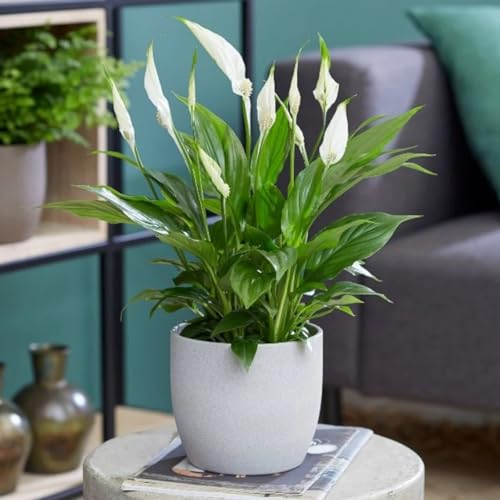
Carbeth Plants Spathiphyllum Peace Lily Indoor Houseplant in 9cm Pot
Air Purifying Peace Lily Plant – An indoor houseplant that helps improve air quality naturally. Perfect for homes, offices, and bedrooms, adding beauty and freshness to any indoor space with minimal effort.
£ 9.99
free shipping
To the product (2 offers)
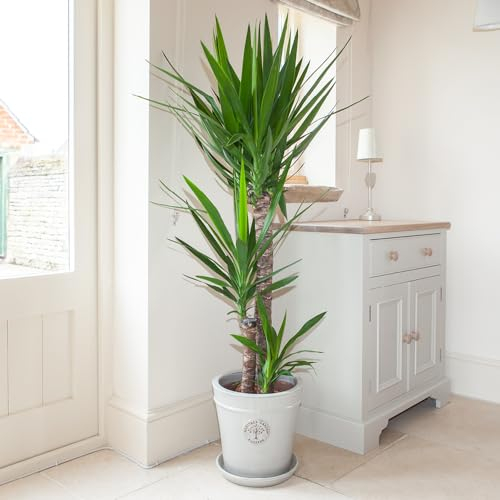
YouGarden Yucca elephantipes Large Houseplant with 3 Stems, 1.2m - 1.4m Tall Established Plant in 24cm Pot, Air Purifying Plant Yucca Indoor Plants in Pot, for Home and Office
INDOOR PLANT Instant and dramatic impact for your home. This large Yucca plant creates a striking look for your home or office. Like all plants they also help purify the air around us giving us a healther environment to live in
£ 53.99
free shipping
To the product (4 offers)
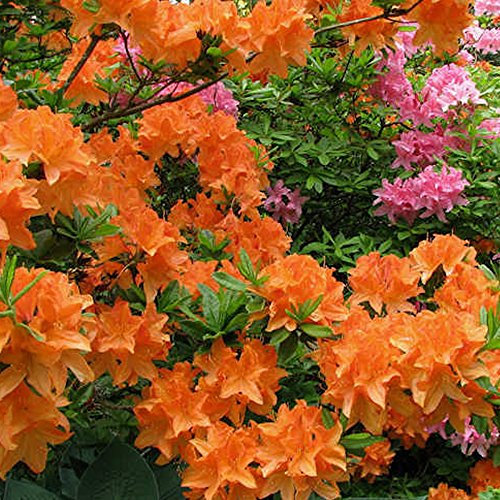
1 X Orange Azalea Japanese Evergreen Shrub Hardy Garden Plant in Pot (9cm Pot, 20-30cm)
FEATURES: Evergreen shrub with mid-green foliage and vibrant reddish-orange flowers in Spring
£ 9.90
free shipping
To the product (1 offer)