
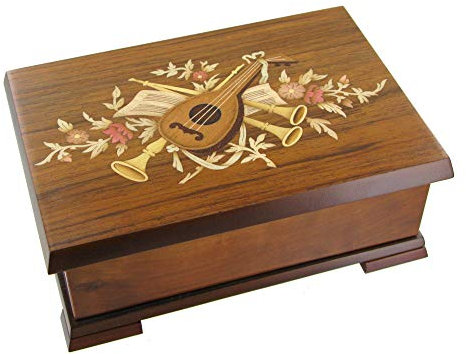
Musical jewellery box / music box for jewels made of solid wood with musical instruments inlay, dancing ballerina, mirror and 18-note wind up musical mechanism - Emperor's waltz (Johann Strauss)
Offer

£ 233.00
free shipping
go to shop
Product description
- Musical jewellery box / music box for jewels in solid wood with a satin finish, "musical instruments and flowers" inlay, dancing ballerina and mirror. This musical jewellery box or music box for jewels has one compartment for storing jewellery or other small items.
- This musical jewellery box or music box for jewels contains an 18-note wind up musical mechanism. Activation of the musical mechanism with a winding key located under the box.
- The musical cycle of this musical jewellery box or music box for jewels is approximately 15 seconds. This cycle repeats for approximately 2 to 3 minutes.
- When the lid is opened, the ballerina starts to spin to the sound of the melody. This dancing ballerina is made of resin with a satin dress.
- Melody of this musical jewelry box / musical box / music box : Emperor's waltz (Johann Strauss).
- Dimensions of this musical jewellery box / music box for jewels : 20,5 X 13,8 X 7,5 cm.
- Weight of this musical jewellery box / music box for jewels : 690 g.
- We also offer on Amazon this musical jewellery box or music box for jewels with other classical music melodies: Sleeping Beauty by P. I. Tchaikovsky and Swan lake by P. I. Tchaikovsky.
- Encyclopedia: A music box (American English) or musical box (British English) is an automatic musical instrument in a box that produces musical notes by using a set of pins placed on a revolving cylinder or disc to pluck the tuned teeth (or lamellae) of a steel comb. The popular device best known today as a "music box" developed from musical snuff boxes of the 18th century and were originally called carillons à musique (French for "chimes of music"). Some of the more complex music boxes also contain a tiny drum and/or bells in addition to the metal comb.
- Encyclopedia: Inlay is commonly used in the production of decorative furniture, where pieces of colored wood, precious metals or even diamonds are inserted into the surface of the carcass using various matrices including clear coats and varnishes. Lutherie inlays are frequently used as decoration and marking on musical instruments, particularly the smaller strings. Perhaps the most famous example of furniture inlay is that of André-Charles Boulle (1642–1732) which is known as Boulle work and evolved in part from inlay produced in Italy during the late 15th century at the studiolo for Federico da Montefeltro in his Ducal Palace at Urbino.
You might also be interested in these Traditional Ballerina.

LGYKUMEG Ladies Elegant Ethnic Embroidered Shoes Dance Shoes, Shoes Traditional Chinese Women, Vintage Ladies Embroidered Mary Janes,wine red,39EU
LGYKUMEG
£ 34.63
free shipping
To the product (1 offer)

Ballerina Shoes Women's Elegant Traditional Shoes Round Toe Vintage Slip-On Shoes Comfortable Soft Flat Shoes with Closed Lightweight Boat Shoes Breathable Low Shoes for Dresses and Leisure, blue, 6
SOFT AND BREATHABLE These women's ballet flats feature a high quality upper that combines typical features of comfortable ballet shoes. The flexible knitted fabric has a fine porous structure that ensures constant air circulation around the foot and can reduce excessive sweating. The lightweight material texture is particularly suitable for changing spring and summer temperatures and ensures a carefree feel in everyday life.
£ 17.85
free shipping
To the product (1 offer)

Women's Traditional Block Heel Dancing Shoes - Chunky Elegant Ballerinas, Bridal Oktoberfest Costume Heels with Buckle#g Black
Lightweight Walking Shoe,convenient Slip-on Design,Cushioned Selectinsole,fashion And Personality
£ 23.99
free shipping
To the product (1 offer)
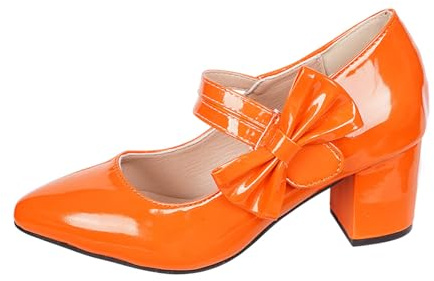
Women's Oktoberfest Heels - Chunky Block Heel Dancing Bridal Shoes, Traditional Elegant Ballerinas with Buckle, Costume
Generic
£ 26.89
free shipping
To the product (1 offer)

High Shoes Women's Dirndl Shoes Women's Costume Shoes Traditional Shoes with Heel Chunky Dance Shoes Bridal Shoes Block Heel Ballerinas Elegant Shoes for Dirndl Heel Shoes Clip, beige, 4 UK
Practical, comfortable soft, reduces stress on the joints, strengthens tightens, improves posture
£ 22.08
free shipping
To the product (1 offer)

Ballerina Shoes Women's Elegant Traditional Shoes Round Toe Vintage Slip-On Shoes Comfortable Soft Flat Shoes with Closed Lightweight Boat Shoes Breathable Low Shoes for Dresses and Leisure
Generisch
£ 18.70
free shipping
To the product (1 offer)
6% off
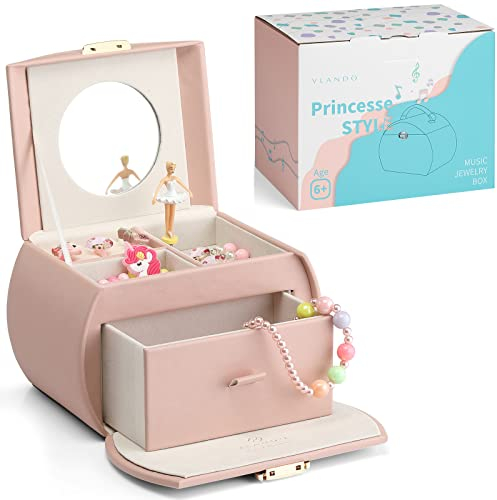
Vlando Music Box Ballerina Jewellery Box, Lockable Leather Jewellery Box Girls with Drawers, Jewellery Box Children, Jewellery Box with Canon Melody, Birthday Gifts for Children
VLANDO
£ 26.23
free shipping
To the product (1 offer)
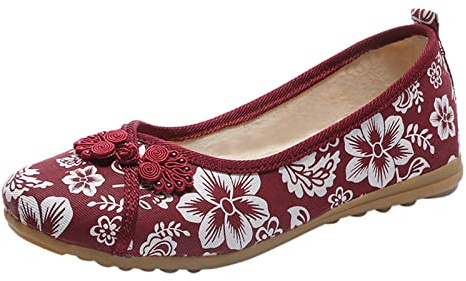
Women Flat Embroidered Shoes Ethnic Shoes For Women Slip On Walking Loafers Closed Toe Vacation Loafer Vintage Canvas Flats Anti Slip Ballerinas Flat Traditional Handmade Shoe With Flower Pattern
Generic
£ 11.83
free shipping
To the product (1 offer)

MISSMAO Womens Chinese Traditional Loafers Shoes Ladies Floral Slip On Ballerina Flat Ladies Pumps for Summer,Black Blue,EU 38
BRAND NAME: Fashion and Elegant Sandals via MISSMAO;
£ 12.00
free shipping
To the product (1 offer)
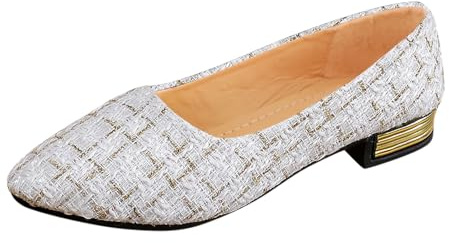
Ballerinas Women's Traditional Shoes Medieval Flat Trainers Walking Slip On Soft Slippers Flat Mesh Lightweight Loafers Outdoor Trainers Casual Shoes Gymnastics Shoes
Generisch
£ 10.13
free shipping
To the product (1 offer)
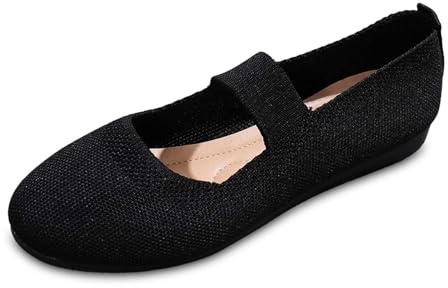
Ballerinas Women's Elegant Sporty Balerina Shoes Medieval Wide H Ballerina Summer Shoes Comfortable Flat Shoes Traditional Shoes Knitted Breathable Strappy Ballerina Dance Shoes, O Black, 8.5 UK
RAOKENSU
£ 13.71
free shipping
To the product (1 offer)
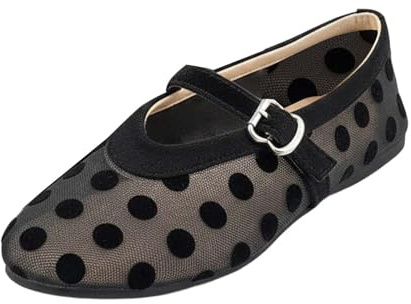
Polka Dot Ballerinas Women's Sporty Elegant Flat Shoes Mesh Breathable Ballerina Summer Non-Slip Sandals Dance Shoes Soft Comfortable Traditional Shoes Wide Feet Barefoot Shoes, O Black, 5 UK
RAOKENSU
£ 16.89
free shipping
To the product (1 offer)